
Phonics Reading Drill Worksheets - Part 3: Short A, E & I
Building Vowel Sound Recognition with Three Essential Sounds
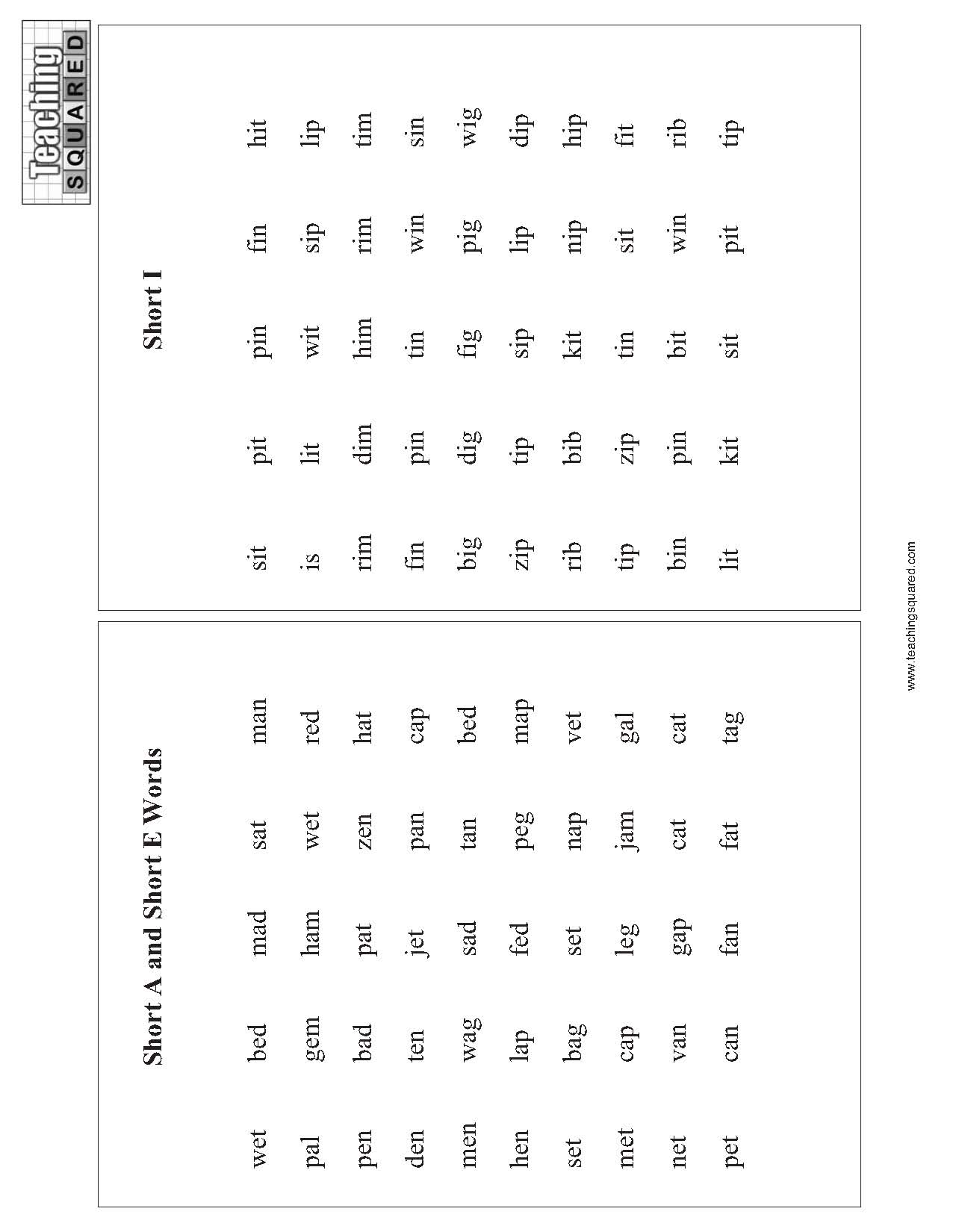
Short A, E, and I Vowel Sound Mastery
This comprehensive phonics drill worksheet combines practice for three critical short vowel sounds - A, E, and I. By working with multiple vowel sounds together, students develop stronger discrimination skills and build confidence in identifying and reading words with different short vowels. Perfect for students who have mastered individual sounds and are ready for mixed vowel practice.
What's Featured in This Worksheet:
- Short A Review: Reinforcement with words like "cat," "pan," "tag," and "lap"
- Short E Review: Continued practice with "bed," "net," "leg," and "hem"
- Short I Introduction: New focus on words like "sit," "pig," "win," and "tip"
- Mixed vowel word lists for discrimination practice
- Word sorting activities by vowel sound
- Sentences combining all three vowel sounds
- Progressive difficulty from single words to phrases
Learning Benefits:
- ✓ Strengthens ability to distinguish between similar vowel sounds
- ✓ Builds reading fluency with common CVC words
- ✓ Develops phonemic awareness across multiple vowel sounds
- ✓ Improves spelling accuracy for short vowel words
- ✓ Prepares students for more complex vowel patterns
- ✓ Enhances auditory discrimination skills
Teaching the Three Vowel Sounds
Short A Sound: Like saying "ahhh" at the doctor - mouth open wide. Reference words: apple, ant, alligator. Hand gesture: Open palm wide like opening mouth.
Short E Sound: Like the "e" in "elephant" - slight smile, relaxed jaw. Reference words: egg, elbow, elevator. Hand gesture: Fingers spread horizontally at mouth level.
Short I Sound: Like the "i" in "itch" - lips slightly parted, quick sound. Reference words: igloo, insect, iguana. Hand gesture: Point index finger up for the dot on the 'i'.
Effective Teaching Strategies
Vowel Sound Comparison: Start each session by practicing all three sounds in isolation. Use mirrors so students can see their mouth positions. Create a vowel sound chart with pictures for visual reference.
Progressive Practice: Begin with sorting words by vowel sound before reading. Use colored markers or highlighters to mark different vowels. This visual support helps students recognize patterns.
Multi-Sensory Approach: Have students tap out sounds, use hand motions, or move to different classroom areas for each vowel sound. This kinesthetic element reinforces learning.
Differentiation Ideas
- For Struggling Readers: Focus on two vowels at a time before adding the third
- For Advanced Students: Challenge them to create their own words or sentences
- For ELL Students: Provide picture support for vocabulary comprehension
Assessment and Progress Monitoring
Use this worksheet to track student progress in vowel discrimination. Note which vowel combinations cause confusion (often E and I) and provide targeted practice. Students ready for advancement can move to long vowel sounds or vowel teams.
Home Practice Tips for Parents
Make vowel practice fun with word hunts around the house. Label items with their vowel sounds. Play "I Spy" focusing on objects with specific short vowel sounds. Read books together and point out words with the target vowels.
Master three essential vowel sounds with one comprehensive worksheet - download now!