
Phonics Reading Drill Worksheets - Part 17: Paragraphs & OU/OW Diphthongs
From Sentences to Paragraphs - Mastering the /ow/ Sound
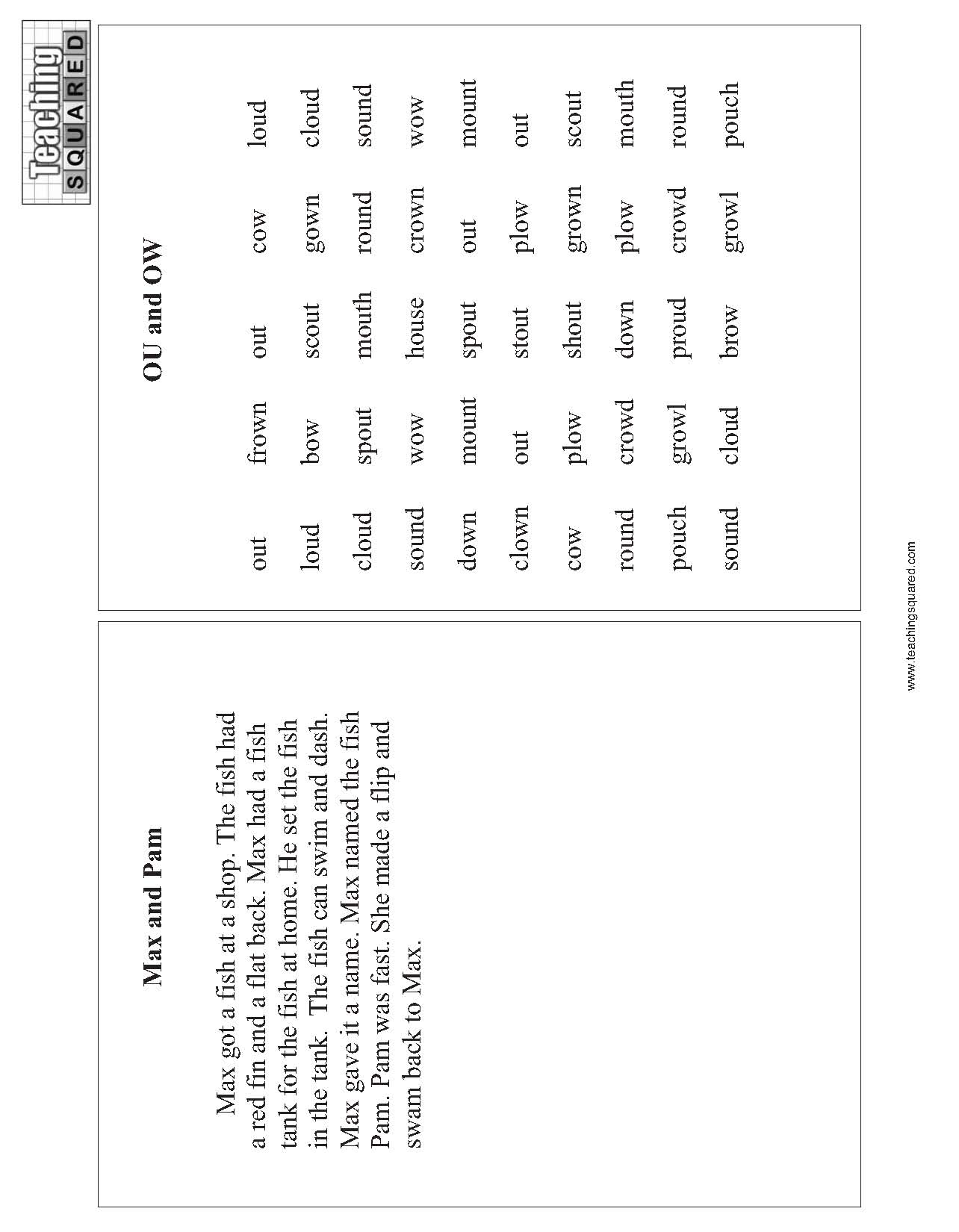
A Major Milestone: Paragraph Reading with Diphthongs
This transformative worksheet marks two significant advancements in reading development: the transition from sentences to paragraphs and the introduction of diphthongs (OU and OW making the /ow/ sound). Part 17 builds sustained reading comprehension while teaching the complex vowel sound that glides from one position to another, preparing students for authentic text reading.
What's Featured in This Worksheet:
- OU Diphthong: out, about, house, mouse, loud, cloud, found, ground, mouth
- OW Diphthong: how, now, cow, brown, down, town, crown, flower, power
- First paragraph reading experiences (3-5 sentences)
- Paragraphs incorporating OU/OW words naturally
- Comprehension questions for paragraph understanding
- Mixed phonics patterns in connected text
- Topic sentences and supporting details
Learning Benefits:
- ✓ Introduces sustained text reading
- ✓ Develops paragraph comprehension skills
- ✓ Masters the /ow/ diphthong sound
- ✓ Builds reading stamina and focus
- ✓ Teaches text structure awareness
- ✓ Integrates all phonics skills in context
- ✓ Prepares for grade-level reading
Understanding Diphthongs: OU and OW
What is a Diphthong? A vowel sound that glides from one position to another in the same syllable. Your mouth moves as you say it!
The /ow/ Sound:
- Starts with /ah/ and glides to /oo/
- Feel your mouth move from open to rounded
- Like saying "ow!" when something hurts
- Two spellings: OU and OW
OU vs. OW Position Rules:
- OU: Usually in the middle of words (house, found, about)
- OW: Often at the end of words or before N (how, down, brown)
- Both make the same /ow/ sound
Common OU and OW Words
OU Word Families:
- -ound: found, sound, ground, round, pound
- -ouse: house, mouse, blouse
- -out: out, about, shout, scout
- -oud: loud, cloud, proud
OW Word Families:
- -own: down, town, brown, crown, frown
- -ow: how, now, cow, bow, wow
- -ower: flower, power, tower, shower
Sample Paragraphs with OU/OW Focus
Paragraph 1:
"The brown mouse ran out of the house. He found a flower by the ground. The mouse was proud of his flower. He took it back to show the other mice. Now they all want to go out and look around town."
Paragraph 2:
"How do clouds form? When the sun shines down, it makes water turn into vapor. The vapor goes up and up. High in the sky, it gets cold. The vapor turns into tiny drops. Many drops together make a cloud. Some clouds are white and some are brown or gray. Loud sounds come from storm clouds."
Teaching Paragraph Reading
Pre-Reading Strategies:
- Preview the paragraph topic
- Identify OU/OW words before reading
- Discuss what a paragraph is (group of sentences about one idea)
- Set a purpose for reading
During Reading Support:
- Track with finger across lines
- Pause at periods, not line ends
- Use expression for dialogue
- Reread if meaning is lost
After Reading Comprehension:
- What was the paragraph about? (main idea)
- What happened first, next, last? (sequence)
- Can you find three OU/OW words? (pattern recognition)
- Draw a picture of what you read (visualization)
Common Challenges with Paragraphs and Diphthongs
- Paragraph Overwhelm: Too much text at once - start with 3 sentences
- Line Confusion: Students stop at line ends - teach period awareness
- OU/OW Mix-up: Confusing with long O patterns - emphasize mouth movement
- Comprehension Loss: Focusing on decoding - encourage rereading
Building Paragraph Fluency
Progression Steps:
- Week 1: Three-sentence paragraphs with familiar words
- Week 2: Add OU/OW words to paragraphs
- Week 3: Four to five-sentence paragraphs
- Week 4: Paragraphs with comprehension questions
Differentiation Approaches
For Struggling Readers: Highlight the first and last sentence. Pre-teach OU/OW words in isolation. Break paragraphs into sentence strips. Allow partner reading for support.
For Advanced Students: Write their own OU/OW paragraphs. Find main idea and supporting details. Predict what the next paragraph might say. Compare OU/OW to other vowel patterns.
Assessment Milestones
- Can student read a complete paragraph without losing place?
- Does student recognize OU/OW patterns automatically?
- Can student answer basic comprehension questions?
- Is student maintaining fluency across multiple sentences?
- Does student understand paragraph = one main idea?
Real-World Reading Connections
This worksheet prepares students for:
- Simple chapter books with paragraphs
- Informational texts in science and social studies
- Following multi-step directions
- Reading for meaning, not just decoding
Celebrating Two Achievements
Completing this worksheet means students have:
- Transitioned from sentence to paragraph reading
- Mastered their first diphthong pattern
- Built stamina for sustained reading
- Integrated comprehension with decoding
Launch your students into paragraph reading with diphthong mastery - download this milestone worksheet!