
Phonics Reading Drill Worksheets - Part 11: Long I & Mixed Long/Short A and I
Mastering Vowel Flexibility - When I Says Its Name
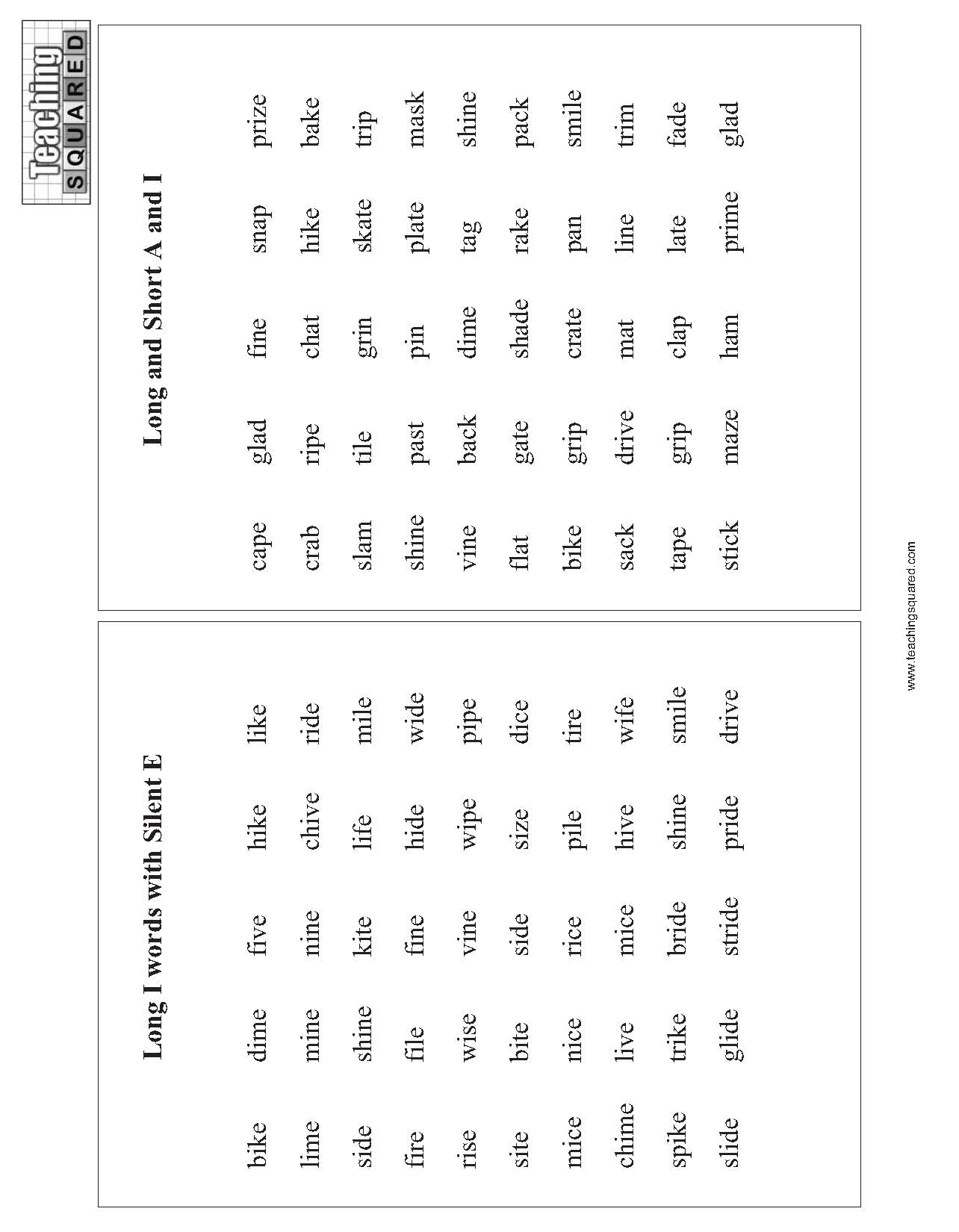
Expanding Long Vowel Knowledge: Long I Patterns
This advanced worksheet introduces long I patterns while reinforcing long A skills through mixed practice. By contrasting short and long versions of both A and I, students develop crucial vowel discrimination abilities. Part 11 challenges readers to flexibly apply different decoding strategies based on spelling patterns, building the analytical skills needed for proficient reading.
What's Featured in This Worksheet:
- Silent E Pattern (i_e): Words like bike, like, time, ride, five, smile
- IGH Pattern: Words like night, light, right, might, fight, sight
- Y as Long I: Words like my, by, try, fly, cry, sky
- Short I vs. Long I contrast words
- Mixed practice with short/long A and short/long I
- Sentences requiring vowel sound discrimination
- Multi-syllable words with various vowel patterns
Learning Benefits:
- ✓ Introduces second long vowel sound and patterns
- ✓ Develops vowel sound discrimination skills
- ✓ Builds pattern recognition across multiple vowels
- ✓ Strengthens analytical reading strategies
- ✓ Increases decoding flexibility and accuracy
- ✓ Reinforces previously learned long A patterns
- ✓ Prepares for complex vowel pattern recognition
Teaching Long I Patterns
Three Main Long I Patterns:
- Silent E (i_e): "Silent E makes I say its name" - like bike, ride, time
- IGH Team: "I gets help from GH to say its name" - the GH is silent
- Y as I: "Sometimes Y pretends to be I" - usually at the end of short words
Contrasting Short and Long Vowels
Short I vs. Long I Pairs:
- bit → bite
- hid → hide
- dim → dime
- pin → pine
- rip → ripe
Mixed A and I Practice:
- Short A: cat, map, had
- Long A: cake, main, play
- Short I: sit, fish, will
- Long I: site, mice, high
Sample Sentences with Mixed Vowels
- "Mike can ride his bike at night." (long I focus)
- "The cat will hide by the gate." (short I, long I, long A)
- "Jake might fly his kite high in the sky." (mixed long vowels)
- "Did Sam take my light to the camp site?" (mixed short/long)
- "The white mice ran fast in the rain at night." (complex mix)
Teaching Strategies for Vowel Discrimination
Pattern Detective: Before reading, have students identify clues that tell them which vowel sound to use:
- Silent E at the end? → Long vowel
- Two vowels together? → Often first vowel is long
- Single vowel in closed syllable? → Usually short
Color Coding System:
- Red = short vowels
- Blue = long vowels
- Green = vowel teams/patterns
Common Challenges with Mixed Vowels
- Pattern Confusion: Students mix up when to use long vs. short sounds - practice pattern sorting first
- IGH Recognition: This three-letter pattern is new - emphasize that GH is silent
- Y Flexibility: Y can be long I or long E - focus on long I in one-syllable words
- Speed vs. Accuracy: Mixed vowels require careful analysis - slow down initially
Progressive Practice Sequence
Step 1: Review long A patterns from previous worksheet
Step 2: Introduce long I with silent E only
Step 3: Add IGH pattern with word families (night, light, right)
Step 4: Include Y as long I
Step 5: Mixed sentences with all patterns
Differentiation Strategies
For Struggling Readers: Create pattern reference cards. Practice one vowel (A or I) at a time before mixing. Use hand signals - fist for short vowel, open hand for long.
For Advanced Students: Introduce words where I makes different sounds (ski, marine). Explore two-syllable words with mixed vowels. Challenge with words containing both long A and long I.
Assessment Focus Areas
- Can student identify spelling patterns that signal long vowels?
- Does student accurately decode mixed short/long vowel words?
- Can student explain why a vowel makes a particular sound?
- Is student self-monitoring and self-correcting vowel errors?
- Does student maintain comprehension with complex vowel patterns?
Word Study Activities
Vowel Sort: Sort word cards into four categories: short A, long A, short I, long I
Pattern Hunt: Find words in books that follow each long vowel pattern
Vowel Transformation: Change short vowel words to long by adding letters
Building Analytical Readers
This worksheet develops students' ability to analyze word structure before reading. Rather than guessing based on beginning sounds, students learn to notice spelling patterns that guide pronunciation. This analytical approach is essential for reading multi-syllable and unfamiliar words.
Looking Ahead
After mastering long A and I patterns, students are ready for long E, O, and U. The pattern recognition skills developed here - silent E, vowel teams, and position rules - apply to all long vowels, making future learning more efficient.
Develop flexible vowel readers with this comprehensive worksheet - download now!