
Phonics Reading Drill Worksheets - Part 9: Digraphs SH, CH, PH & Common Words
When Two Letters Make One Sound - Unlocking New Reading Patterns
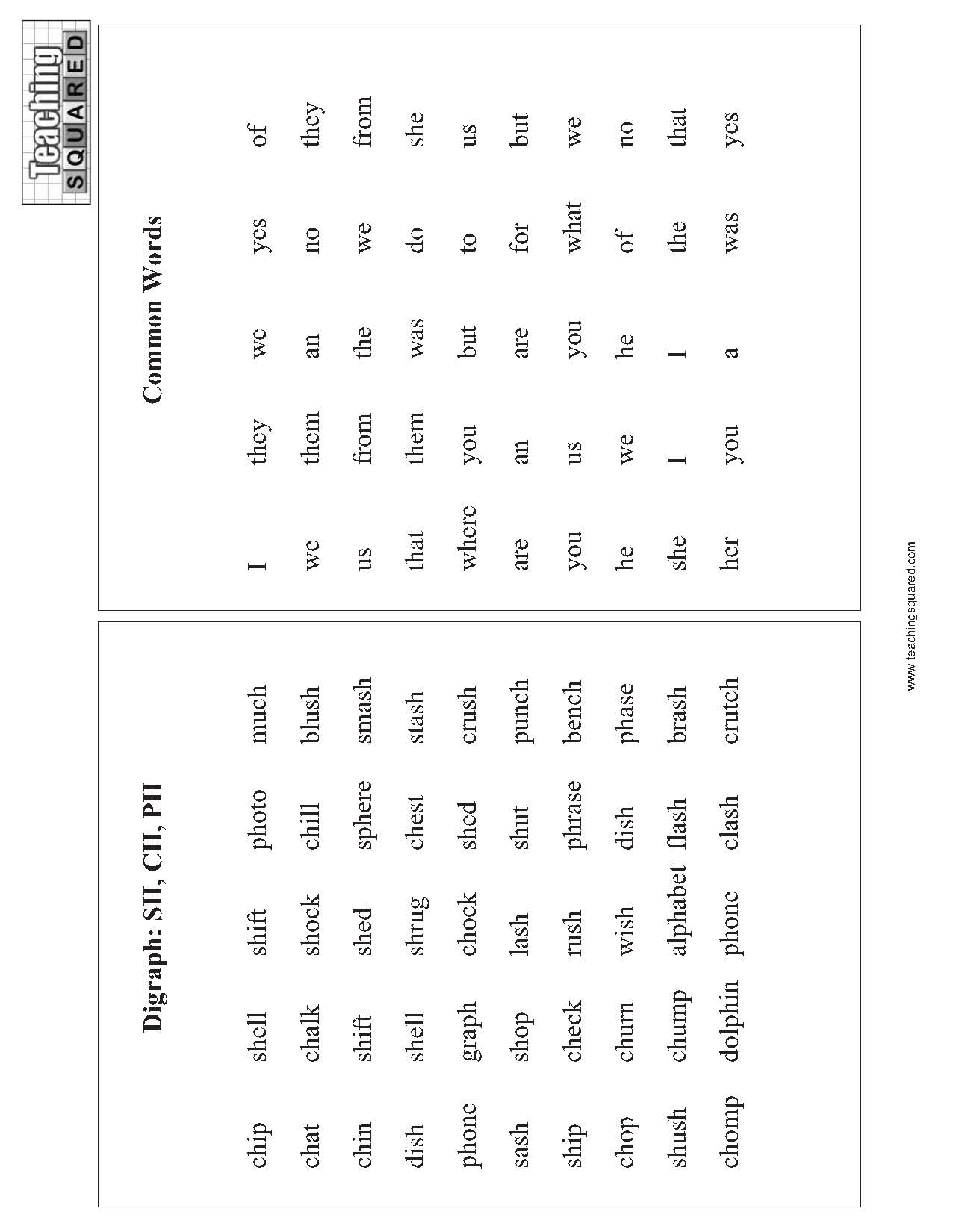
Discovering Digraphs: When Letters Team Up
This transformative worksheet introduces consonant digraphs - special letter pairs that create entirely new sounds. Unlike blends where you hear both letters, digraphs work together to make one unique sound. Part 9 focuses on three essential digraphs (SH, CH, PH) while incorporating common sight words, building both decoding skills and reading fluency.
What's Featured in This Worksheet:
- SH Digraph: Beginning (ship, shop, shut) and ending (fish, wish, dish) positions
- CH Digraph: Beginning (chip, chat, chop) and ending (much, such, lunch) positions
- PH Digraph: Words like phone, graph, alphabet (the /f/ sound)
- Common sight words integrated with digraph words
- Sentences combining digraphs with previously learned patterns
- Word families for each digraph sound
- Mixed practice distinguishing digraphs from blends
Learning Benefits:
- ✓ Introduces the concept of two letters = one sound
- ✓ Expands decodable vocabulary significantly
- ✓ Builds pattern recognition for common letter combinations
- ✓ Strengthens ability to tackle unfamiliar words
- ✓ Integrates high-frequency sight words naturally
- ✓ Prepares for more complex digraphs (th, wh, ng)
- ✓ Develops flexibility in decoding strategies
Teaching Digraphs vs. Blends
Key Distinction: Use the "peanut butter" analogy - blends are like peanuts and butter (you can taste both), while digraphs are like peanut butter (completely new flavor). In "shop," you don't hear /s/ and /h/ separately - they create the new /sh/ sound.
Introduction Strategy for Each Digraph:
- SH: "The quiet sound" - put finger to lips saying "shhh"
- CH: "The sneeze sound" - pretend to sneeze "ch-ch-choo!"
- PH: "The photographer sound" - makes the /f/ sound, take pretend photos
Common Words Featured
SH Words:
- Beginning: she, ship, shop, show, shut, shade
- Ending: fish, wish, dish, rush, push, crash
CH Words:
- Beginning: chip, chop, chat, chin, check, child
- Ending: much, such, lunch, bench, catch, match
PH Words: phone, graph, photo, alphabet, dolphin
Integrated Sight Words
This worksheet includes common sight words that appear frequently with digraphs: the, was, are, they, said, have, what, there. These words provide context and build sentence fluency.
Sample Sentences
- "The fish can swim in the dish." (SH practice)
- "Chad will munch chips for lunch." (CH practice)
- "Phil calls on the phone to chat." (PH and CH combined)
- "They wish to shop for fresh shrimp." (multiple digraphs)
Teaching Techniques
Sound Introduction: Always introduce the sound before the spelling. Have students listen for /sh/ in spoken words before showing the letters SH.
Visual Cues: Create digraph posters with pictures: SH = shell, CH = chair, PH = phone. Use different colors for digraphs vs. single letters.
Kinesthetic Learning: Use hand motions - clasp hands together for digraphs to show "two letters joining as one sound."
Common Challenges
- Blend Confusion: Students may try to sound out /s/-/h/ separately - consistently model the single sound
- CH Variations: Note that CH can make /ch/ (chip) or /k/ (school) - focus on /ch/ sound initially
- PH Recognition: This unusual spelling for /f/ needs extra practice and memory work
- Position Matters: Practice digraphs in both beginning and ending positions
Differentiation Ideas
For Struggling Readers: Focus on one digraph at a time. Use mirrors to show mouth position for each sound. Provide tactile letters that stick together for digraphs.
For Advanced Students: Introduce TH and WH digraphs. Explore words where CH makes different sounds. Create digraph word searches or puzzles.
Assessment Focus
- Can student identify digraph sounds in spoken words?
- Does student recognize digraphs as single sounds when reading?
- Can student distinguish between digraphs and blends?
- Is student applying digraph knowledge to decode new words?
- Are common sight words becoming automatic?
Games and Activities
Digraph Detective: Hunt for digraphs in classroom books and charts. Sound Sorting: Sort pictures by their digraph sound. Digraph Chains: Build word chains changing one letter (ship→chip→chop→shop).
Moving Forward
After mastering SH, CH, and PH, students are ready for TH (voiced and unvoiced), WH, and vowel digraphs. This worksheet builds the conceptual understanding that letters can work together in special ways, preparing students for increasingly sophisticated spelling patterns.
Open the door to digraph decoding - download this essential worksheet now!